Armstrong Team
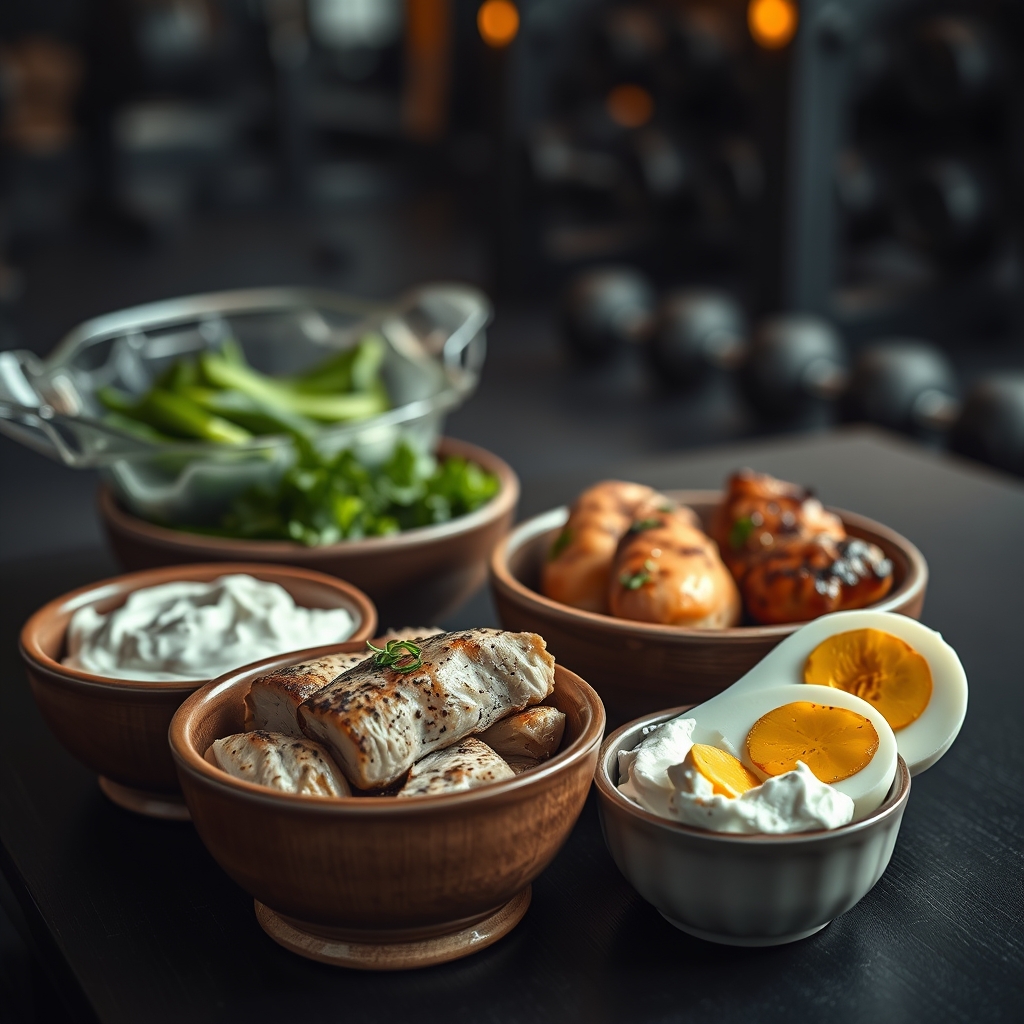
Best High-Protein Foods for Muscle Growth: 25 Foods Ranked by Lifters
Discover the best high-protein foods for building muscle — from lean meats and dairy to plant-based options. Includes grams per serving, meal ideas, and budget picks for beginners and intermediates.
Hitting your protein target is the single most reliable nutrition lever for muscle growth. Food quality matters less than total daily protein — but the right high-protein foods make hitting 150+ grams feel easy instead of miserable.
This guide ranks the best protein sources by practicality, cost, and amino acid profile — for lifters who train 3–6 days per week.
Why Protein Matters for Muscle Growth
Resistance training creates micro-damage in muscle fibers. Protein supplies amino acids — especially leucine — that trigger muscle protein synthesis (MPS).
Research consistently supports 1.6–2.2 g per kg body weight (0.7–1.0 g per lb) for maximizing hypertrophy. Spread intake across 3–5 meals with 25–45 g protein each.
Animal-Based High-Protein Foods
Lean Meats and Poultry
| Food | Protein (per 100 g cooked) | Notes |
|---|---|---|
| Chicken breast | ~31 g | Cheap, versatile, low fat |
| Turkey breast | ~29 g | Similar to chicken, slightly drier |
| Lean ground beef (93/7) | ~26 g | Iron and creatine from whole food |
| Pork tenderloin | ~26 g | Often overlooked, lean cut |
Fish and Seafood
- Salmon (~25 g/100 g) — omega-3s support recovery and inflammation control
- Tuna (canned in water) (~26 g/100 g) — shelf-stable, meal-prep friendly
- Shrimp (~24 g/100 g) — very low calorie, high protein density
- Cod / white fish (~20–23 g/100 g) — lean option for cuts
Dairy and Eggs
- Greek yogurt (nonfat) — 17–20 g per 170 g cup; great snack or breakfast base
- Cottage cheese — slow-digesting casein; ideal before bed
- Eggs — 6 g protein each; whole eggs add healthy fats and micronutrients
- Skim milk — 8 g per cup; easy liquid calories on a bulk
Plant-Based High-Protein Foods
Plant proteins work for muscle growth when you eat enough total protein and vary sources.
- Tofu (firm) — ~17 g per 150 g serving
- Tempeh — ~19 g per 100 g; fermented, higher fiber
- Lentils (cooked) — ~18 g per cup; carbs included
- Edamame — ~17 g per cup
- Seitan — ~25 g per 100 g; wheat-based, very high protein
Pair plant sources (rice + beans, hummus + pita) to cover amino acid gaps.
Protein Supplements Worth Using
Whole food first. Supplements fill gaps:
- Whey protein — fast-digesting, 20–25 g per scoop, convenient post-workout
- Casein — slow release; useful before sleep
- Plant protein blends — pea + rice combinations mimic whey amino profiles reasonably well
Supplements are tools, not magic. A shake does not replace a missed meal plan.
How to Build High-Protein Meals
Breakfast (30–40 g protein)
Greek yogurt bowl with whey, berries, and granola — or eggs plus turkey sausage.
Lunch (35–45 g protein)
Chicken breast over rice with vegetables. Prep 3–4 portions on Sunday.
Dinner (35–45 g protein)
Salmon or lean beef with potatoes and a large salad.
Snacks (15–25 g protein)
Cottage cheese, jerky, protein shake, or hard-boiled eggs.
Budget-Friendly Protein Picks
When cost per gram matters:
- Chicken breast (bulk frozen)
- Eggs
- Canned tuna
- Whey protein (cost per serving often beats fresh meat)
- Lentils and beans (cheapest per gram, more carbs attached)
Common Mistakes
- Relying on nuts for protein — high fat, low protein density (almonds: 6 g per 28 g serving)
- Under-eating on rest days — protein stays consistent every day
- Skipping breakfast protein — harder to catch up at dinner
Frequently Asked Questions
What is the highest protein food per calorie?
White fish, shrimp, chicken breast, and egg whites rank among the leanest high-protein options — 25–31 g protein with minimal fat per 100 g.
Can you build muscle with only plant protein?
Yes. Meta-analyses show comparable hypertrophy when total protein and leucine intake match animal-based diets. Eat varied sources and slightly higher total grams.
How much protein is in one chicken breast?
A typical 6 oz (170 g) cooked chicken breast delivers roughly 50–55 g protein.
Is Greek yogurt better than regular yogurt for muscle?
Nonfat Greek yogurt has roughly double the protein per serving versus regular yogurt — usually 17–20 g per cup.
Should I eat protein before or after workouts?
Total daily protein matters most. A meal or shake within 1–2 hours before or after training is a practical window — not a rigid deadline.
How many eggs can I eat per day for muscle growth?
Most healthy adults can eat 3–4 whole eggs daily without issue. Adjust based on total calories, cholesterol concerns from your doctor, and fat macro targets.
Key Takeaway
Pick 4–5 high-protein staples you enjoy, prep them in bulk, and hit your daily gram target consistently. Muscle growth rewards repetition — in the gym and on the plate.
Related guides
Best Gyms in Miami (2026) — Beach, Brickell & Budget Compared
Ranked guide to the 20 best gyms in Miami — Equinox, Life Time, Crunch, Planet Fitness, and boutique studios. Prices, neighbourhoods, and who each club suits.
Read article →Best Gyms in Manchester (2026) — Prices Compared Across the City
Compare the 20 best gyms in Manchester — PureGym, The Gym Group, JD Gyms, David Lloyd, and boutique strength spots. Prices, tram access, and who each club suits.
Read article →Best Gyms in Edinburgh (2026) — Prices, Old Town & Leith Compared
Compare the 20 best gyms in Edinburgh — PureGym, The Gym Group, Edinburgh Leisure, Bannatyne, and boutique strength studios. Prices and who each club suits.
Read article →