Armstrong Team
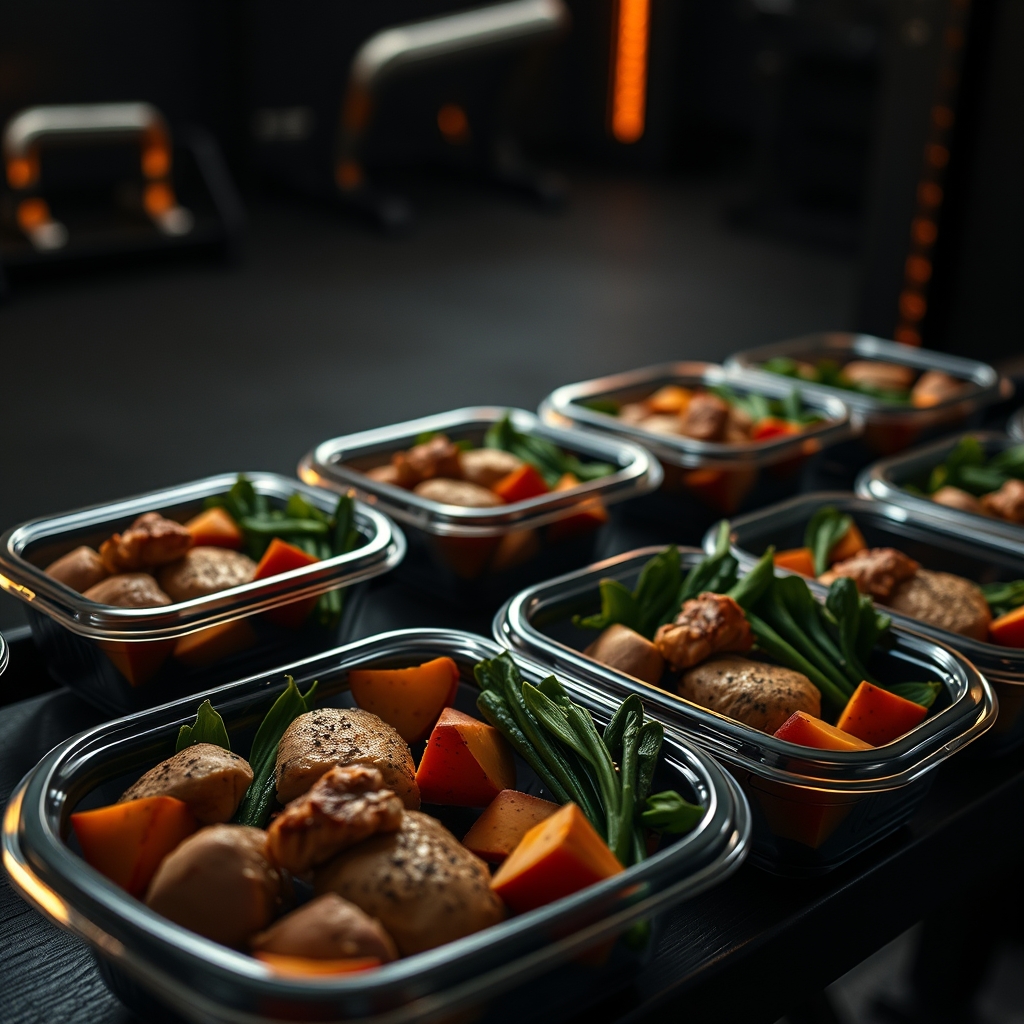
Bodybuilding Meal Plan Basics: How to Set Macros for Muscle Growth
A practical guide to bodybuilding nutrition — calculate protein, carbs, and fats for bulking or cutting, time meals around training, and track macros without obsession.
Training builds the stimulus. Nutrition determines whether that stimulus becomes muscle or just soreness and frustration.
This guide covers the macro fundamentals every bodybuilder needs — without meal-plan templates that ignore your body weight, activity level, and goals.
Calories Come First
Before splitting protein, carbs, and fats, set your calorie target:
- Muscle gain (lean bulk): maintenance + 200–350 kcal/day
- Fat loss (cut): maintenance − 300–500 kcal/day
- Recomposition: near maintenance with high protein and consistent training
Estimate maintenance with any reputable TDEE calculator, then adjust based on weekly scale weight. Aim for 0.25–0.5% body weight change per week.
Protein: The Non-Negotiable Macro
Protein supports muscle repair and satiety during cuts. Most lifters should target:
0.7–1.0 g per pound of body weight (1.6–2.2 g per kg)
Examples:
- 160 lb lifter → 112–160 g protein/day
- 80 kg lifter → 128–176 g protein/day
Spread protein across 3–5 meals. Each meal with 25–45 g protein maximizes muscle protein synthesis across the day.
Carbohydrates: Fuel for Training
Carbs power hard sets and aid recovery. On a bulk, carbs often fill remaining calories after protein and fat targets.
On a cut, keep carbs around training — pre- and post-workout — to preserve gym performance.
Starting point for active lifters: 1.5–2.5 g per pound on bulk, 0.75–1.5 g per pound on cut (adjust per tolerance and energy).
Fats: Hormones and Satiety
Dietary fat supports hormone production and helps you feel full. Target 0.25–0.4 g per pound of body weight unless you prefer higher-carb, lower-fat eating and feel good doing it.
Do not drop fat below ~0.2 g/lb for extended periods without a specific reason.
Sample Macro Targets (180 lb Male, Lean Bulk)
| Macro | Grams | Calories (approx.) |
|---|---|---|
| Protein | 160 g | 640 |
| Fat | 60 g | 540 |
| Carbs | 380 g | 1,520 |
| Total | — | ~2,700 kcal |
Adjust portions weekly based on scale trend and gym performance.
Meal Timing: What Actually Matters
Meal timing matters less than total daily macros for most people. Two rules help:
- Protein at every meal — steady amino acid availability
- Carbs before/after training — when session quality drops on low carb
Intermittent fasting works for some lifters. It fails for others who cannot hit protein targets in fewer meals. Pick the schedule you can sustain.
Tracking Without Obsession
Macro tracking teaches portion awareness. You do not need to weigh chicken forever.
Phase 1 (4–8 weeks): weigh and log everything — build accuracy
Phase 2: eyeball portions using prior data
Phase 3: maintain habits; re-track when goals or weight shift
Apps that combine macro tracking with workout logs keep diet and training aligned. When your coach or program adjusts calories, you see the full picture in one place.
Foods That Make Macro Hitting Easier
- Lean protein: chicken breast, Greek yogurt, egg whites, whey, tuna
- Carb sources: rice, oats, potatoes, fruit, pasta
- Fats: olive oil, nuts, avocado, whole eggs
- Volume foods: vegetables for micronutrients and fullness on a cut
Red Flags in Any "Bodybuilding Meal Plan"
Avoid plans that:
- Eliminate entire food groups without medical reason
- Promise rapid fat loss (>1% body weight/week)
- Use identical calories for every body size
- Ignore training day vs. rest day needs
Your meal plan should flex with your training block — bulk, cut, or maintenance.
Key Takeaway
Set calories for your goal, prioritize protein, fill carbs and fats based on preference and performance, then track consistently for a few weeks. Nutrition is a skill. The lifters who measure it improve it.
Try it free: Use Armstrong’s free diet planner to calculate your daily macros and get a full four-meal day from your stats — no signup required.
Related guides
Best Gyms in Miami (2026) — Beach, Brickell & Budget Compared
Ranked guide to the 20 best gyms in Miami — Equinox, Life Time, Crunch, Planet Fitness, and boutique studios. Prices, neighbourhoods, and who each club suits.
Read article →Best Gyms in Manchester (2026) — Prices Compared Across the City
Compare the 20 best gyms in Manchester — PureGym, The Gym Group, JD Gyms, David Lloyd, and boutique strength spots. Prices, tram access, and who each club suits.
Read article →Best Gyms in Edinburgh (2026) — Prices, Old Town & Leith Compared
Compare the 20 best gyms in Edinburgh — PureGym, The Gym Group, Edinburgh Leisure, Bannatyne, and boutique strength studios. Prices and who each club suits.
Read article →