Armstrong Team
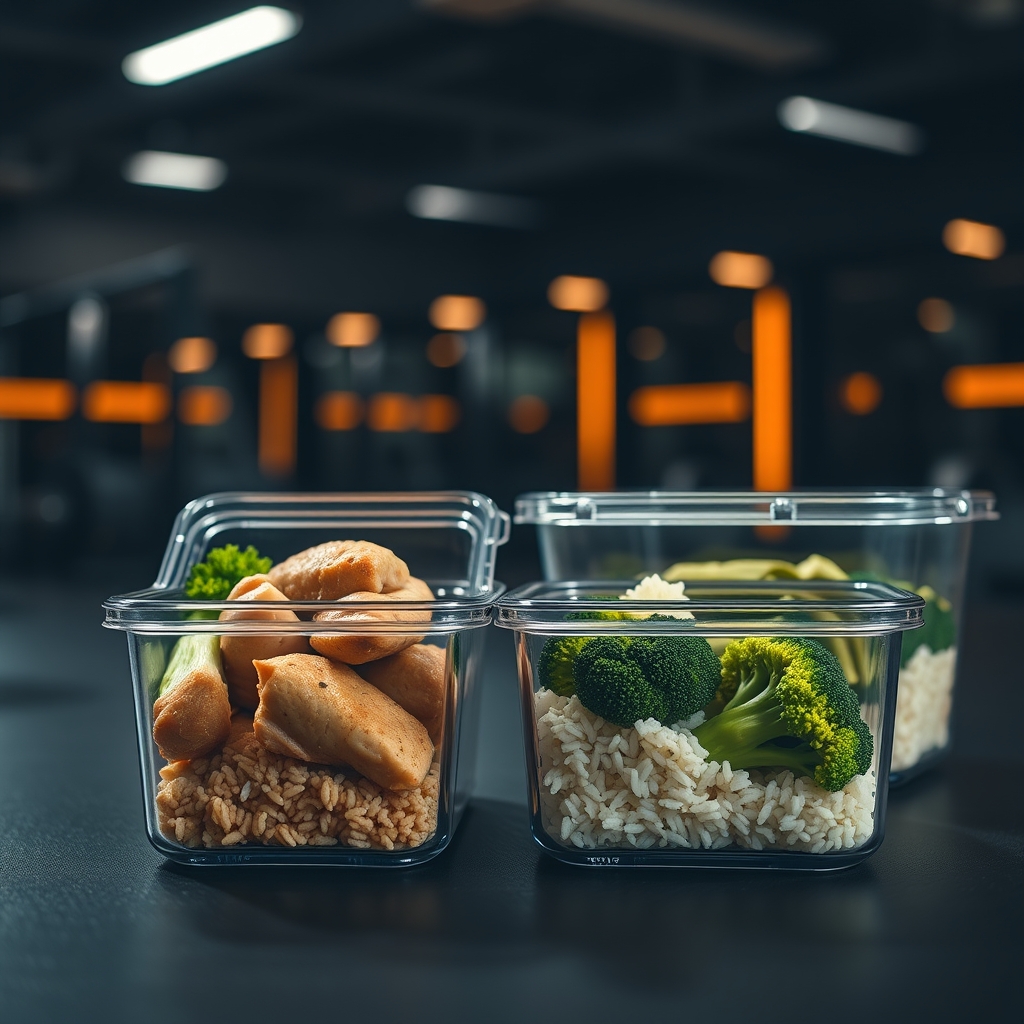
How Much Protein Do You Need Per Day? Calculator for Muscle and Fat Loss
Calculate your daily protein needs for muscle gain, fat loss, or maintenance. Evidence-based ranges by body weight, activity level, age, and goals — with practical meal examples.
Protein recommendations on food labels (50 g/day for adults) are minimums to prevent deficiency — not targets for people who lift weights, run, or want to change body composition.
If you train, your protein needs are higher. Here is how to calculate them.
The Evidence-Based Protein Range
Meta-analyses on protein and resistance training converge on:
1.6–2.2 g per kg body weight (0.7–1.0 g per lb)
| Goal | Protein Target |
|---|---|
| Fat loss (preserve muscle) | 0.8–1.0 g/lb |
| Muscle gain | 0.7–1.0 g/lb |
| Maintenance / general health | 0.6–0.8 g/lb |
| Endurance athletes | 0.6–0.9 g/lb |
More than 1.0 g/lb shows diminishing returns for most people — but the extra buffer helps satiety during cuts.
Protein Calculator by Body Weight
| Body Weight | Low (0.7 g/lb) | High (1.0 g/lb) |
|---|---|---|
| 130 lb (59 kg) | 91 g | 130 g |
| 150 lb (68 kg) | 105 g | 150 g |
| 170 lb (77 kg) | 119 g | 170 g |
| 190 lb (86 kg) | 133 g | 190 g |
| 210 lb (95 kg) | 147 g | 210 g |
Pick the higher end when dieting. Muscle preservation in a deficit is harder than building on a surplus.
Does Age Change Protein Needs?
Yes — slightly higher for older adults. Adults over 50 benefit from 1.0–1.2 g/lb to combat anabolic resistance — muscles respond less efficiently to protein and training with age.
Women over 40 following the same resistance program should use the same ranges as men — not reduced targets.
How to Distribute Protein Across the Day
Muscle protein synthesis responds to protein-rich meals spaced throughout the day.
Practical rules:
- 3–5 meals with 25–45 g protein each
- Include protein within 2 hours of training (before or after — both work)
- Casein-rich food (cottage cheese, Greek yogurt) before bed supports overnight recovery
One giant 80 g protein dinner and two low-protein meals is less effective than even distribution.
Protein on Rest Days vs. Training Days
Same daily total. Muscles repair on rest days. Dropping protein because you did not train undercuts recovery.
Some athletes add 20–30 g on hard training days via a post-workout shake — optional, not mandatory.
Whole Food vs. Protein Powder
Aim for 80%+ from whole foods when possible. Powder fills gaps:
- Busy mornings
- Travel
- Hitting target when appetite is low on a bulk
- Convenience after late workouts
One to two scoops daily (20–50 g) is reasonable. Five scoops replacing meals is not.
Signs You Are Eating Enough Protein
- Recovering between sessions without chronic soreness
- Strength trending up or holding during a cut
- Feeling satisfied 2–3 hours after meals
- Nails and hair not brittle (long-term adequacy marker)
Signs Protein Is Too Low
- Strength dropping on a moderate deficit
- Constant hunger despite adequate calories
- Slow recovery, frequent illness
- Losing weight fast but looking flat — likely muscle loss
Frequently Asked Questions
Is 100 g of protein a day enough?
Depends on body weight. For a 120 lb person, yes. For a 180 lb lifter in a cut, it is likely too low — aim for 130–180 g.
Can you eat too much protein?
Healthy kidneys handle high protein fine. Very high intakes (2.5+ g/kg) offer little extra benefit and may displace carbs and fats needed for performance.
Do I need protein right after my workout?
The anabolic window is wider than bro-science suggests — several hours. Total daily protein matters more than exact post-workout timing.
How much protein is in common foods?
Chicken breast (6 oz): ~50 g. Greek yogurt (1 cup): ~17 g. Eggs (2 large): ~12 g. Whey scoop: ~24 g. Lentils (1 cup cooked): ~18 g.
Is plant protein as good as animal protein?
Plant proteins can match animal for muscle growth when total protein and leucine are adequate. Mix sources (pea + rice, beans + grains) and consider slightly higher totals.
How much protein for weight loss without exercise?
Sedentary people in a deficit benefit from 0.5–0.7 g/lb to preserve lean mass. Add resistance training and protein rises to 0.8–1.0 g/lb.
Key Takeaway
Multiply your body weight in pounds by 0.7–1.0. That is your daily protein target in grams. Hit it consistently from real food, supplement when needed, and adjust up during cuts. Protein is the macro worth tracking first.
Related guides
Best Gyms in Miami (2026) — Beach, Brickell & Budget Compared
Ranked guide to the 20 best gyms in Miami — Equinox, Life Time, Crunch, Planet Fitness, and boutique studios. Prices, neighbourhoods, and who each club suits.
Read article →Best Gyms in Manchester (2026) — Prices Compared Across the City
Compare the 20 best gyms in Manchester — PureGym, The Gym Group, JD Gyms, David Lloyd, and boutique strength spots. Prices, tram access, and who each club suits.
Read article →Best Gyms in Edinburgh (2026) — Prices, Old Town & Leith Compared
Compare the 20 best gyms in Edinburgh — PureGym, The Gym Group, Edinburgh Leisure, Bannatyne, and boutique strength studios. Prices and who each club suits.
Read article →